
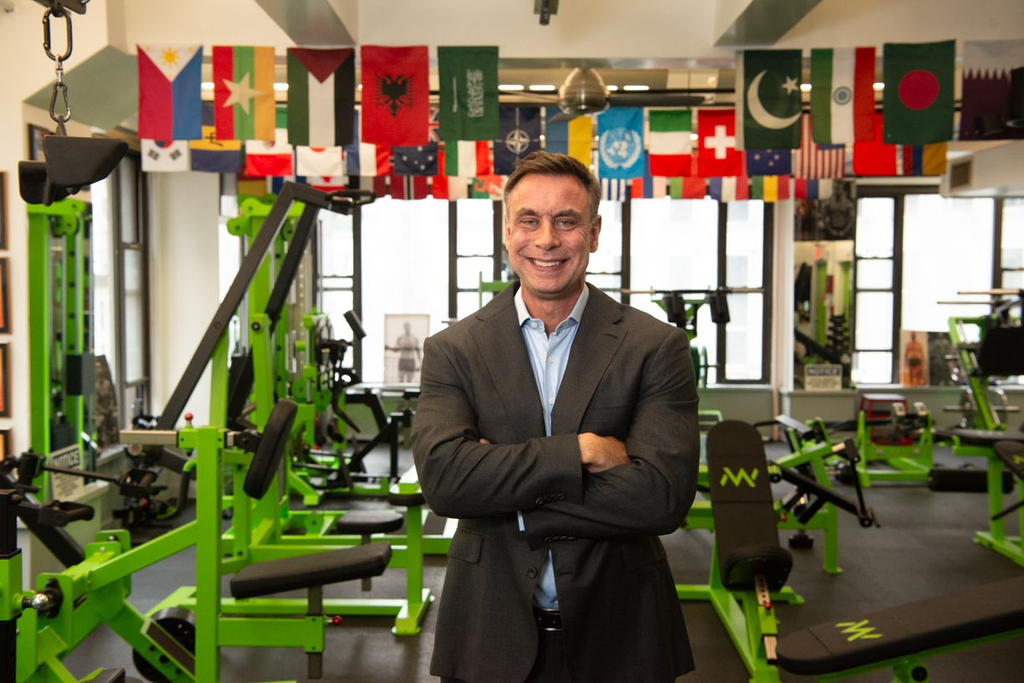
The best gyms in NYC include Crunch Chelsea for all-around training, Planet Fitness for affordability, Chelsea Piers for sports facilities, and Equinox for luxury amenities.
For specialized coaching, South Brooklyn Weightlifting Club and Wiedenbach Performance offer different approaches to structured strength training. Your best choice depends on your goals, budget, and schedule.
I’ve spent more than twenty years coaching people in Manhattan. And I’ll tell you something the fitness industry doesn’t particularly enjoy hearing.
You can build muscle in a $20 gym. You can waste years in a $350 gym.
A beautiful facility is nice, but a well-designed training program is better.
So let’s start with ten NYC gyms worth considering. I’ll cover what each one does well, where it falls short, and who should actually join.
These selections are based on publicly documented equipment, services, membership options, and pricing. They’re organized by the needs they serve, not by an invented ranking of member results.
Top 10 Best Gyms in NYC for 2026
| Gym | Location | Best for | Published price |
| Crunch Chelsea | Chelsea, Manhattan | All-around strength and classes | $119/month promotional single-club rate |
| Planet Fitness | Herald Square, Manhattan | Budget-friendly training | $19/month advertised offer; promotion expired October 26 |
| Wiedenbach Performance | Midtown East, Manhattan | Individualized personal training | $180 listed per session; $200 minimum stated elsewhere |
| South Brooklyn Weightlifting Club | Gowanus, Brooklyn | Coached barbell strength | 396–496 per four weeks |
| Chelsea Piers Fitness | Chelsea, Manhattan | Comprehensive sports facilities | Membership quote required |
| Equinox East 63rd Street | Upper East Side, Manhattan | Luxury facilities and classes | Membership tier and club quote required |
| Life Time Sky | Hell’s Kitchen, Manhattan | Full-service athletic club | Starting at $348/month |
| Asphalt Green | Upper East Side, Manhattan | Swimming and community fitness | 120–180/month, depending on access and term |
| Orangetheory Fitness | Hell’s Kitchen, Manhattan | Structured cardio and group workouts | $199/month for eight classes; $279 unlimited |
| Powerhouse Gym | Long Island City, Queens | Independent strength and weight training | Request current membership quote |
Prices are drawn from official gym websites checked in October 2026. Promotional eligibility, taxes, enrollment fees, and membership conditions vary. These are selected locations and services, not citywide averages.
1. Crunch Chelsea: Best All-Around Gym for Strength and Classes
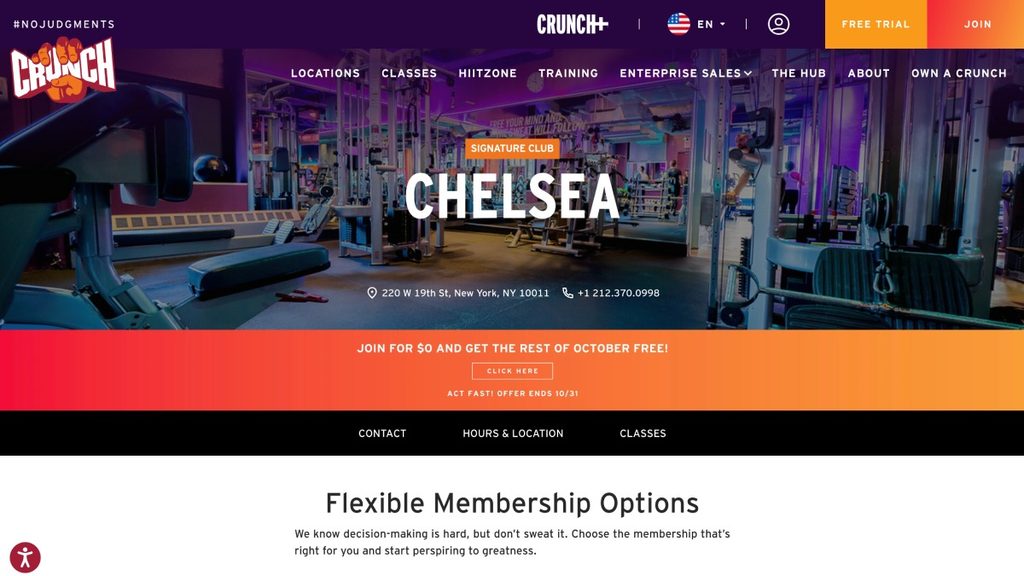
Location: 220 West 19th Street, Manhattan
Best for: People who want serious strength equipment, cardio, and group classes under one membership.
Crunch Chelsea is one of the stronger all-around options on this list because its equipment supports several kinds of training.
The club advertises four floors of fitness space, eleven Olympic lifting platforms, cardio equipment, and a functional training area. Group fitness classes are included with the listed membership options.
That combination makes it practical for someone following a structured strength program while occasionally taking classes.
- Pricing: $119 monthly for single-club access or $127.20 for multi-club access under the current promotional listing. An $89 annual fee, $19.95 processing charge, and applicable taxes are additional.
- The drawback: The advertised price is promotional, and personal training is an extra purchase. Also, eleven lifting platforms don’t guarantee one will be available during your preferred workout time.
- Verdict: A well-equipped choice for someone who wants variety without automatically paying for private coaching. Visit during your normal training hours before committing.
2. Planet Fitness: Best Budget Gym in NYC
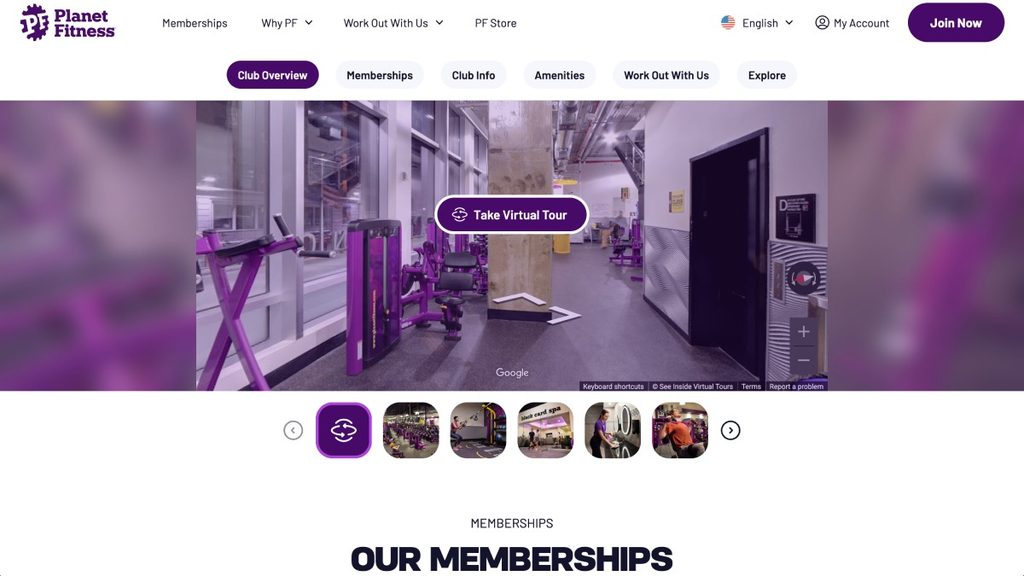
Location: 215 West 35th Street, Herald Square, Manhattan
Best for: Beginners and budget-conscious members who need basic equipment and an approachable training environment.
Planet Fitness Herald Square provides cardio machines, strength equipment, and included in-club fitness training through its PE@PF program.
For someone who wants to become more active, build consistency, or follow a basic resistance-training program, it can be entirely adequate.
The price is its obvious advantage.
- Pricing: The club displays a $19 Classic membership with a $59 startup fee, $59 annual fee, and twelve-month commitment. However, that offer carries an October 26 expiration date, so its current availability needs confirmation. A separate $24 no-commitment option is also displayed with different fees.
- The drawback: Equipment and free-weight options may be less suitable for advanced barbell training than a dedicated strength facility. You should also check availability during crowded periods. It gets very crowded indeed, during rush hour you will have to wait 20 minutes for a piece of equipment.
- Verdict: A sensible option when affordability and regular attendance matter most. Don’t spend hundreds on amenities you won’t use when a lower-cost gym provides the equipment you need.
3. Wiedenbach Performance: Best for Individualized One-on-One Coaching
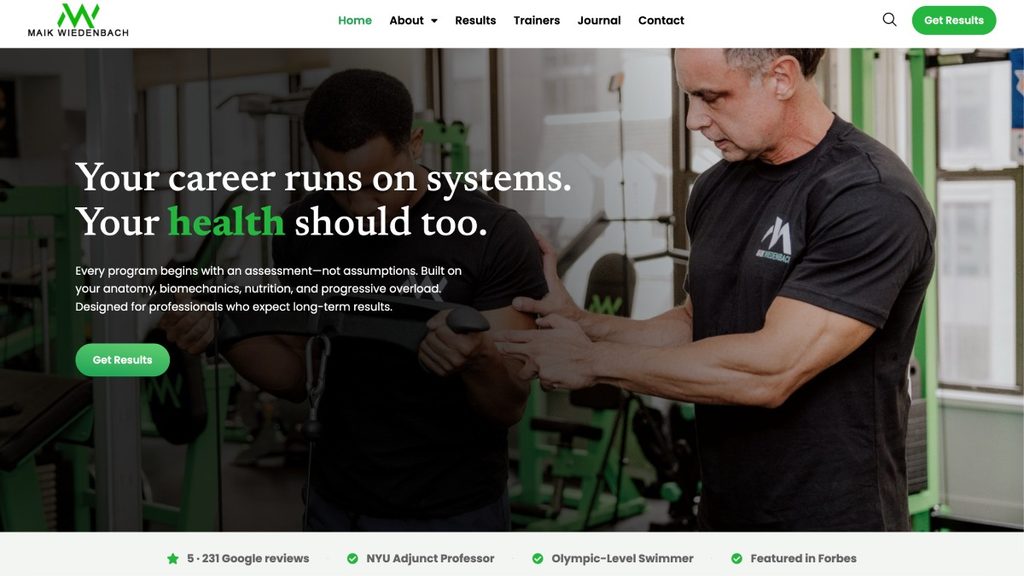
Location: 139 East 57th Street, 6th Floor, Manhattan
Best for: Clients who want personalized strength training, body recomposition programming, and direct coaching.
Wiedenbach Performance is a private training facility in Midtown East.
Unlike a conventional gym membership, their approach centers on individualized training rather than independent access to a large fitness floor.
They assess the client’s starting point, identify relevant limitations, establish a program, and adjust training according to performance and progress.
That approach can be valuable for beginners who need instruction, experienced lifters who have stalled, and busy professionals who want their training organized around a demanding schedule.
- Pricing: Our personal training product page lists $180 per session.
- The drawback: Private coaching is a larger financial commitment than ordinary gym access. If you’re already training effectively and simply need equipment, you may not need this level of service.
- Verdict: A strong fit when you want individualized programming and ongoing instruction, rather than access to a gym alone. You can meet our coaches and review their backgrounds before deciding.
4. South Brooklyn Weightlifting Club: Best for Coached Barbell Training
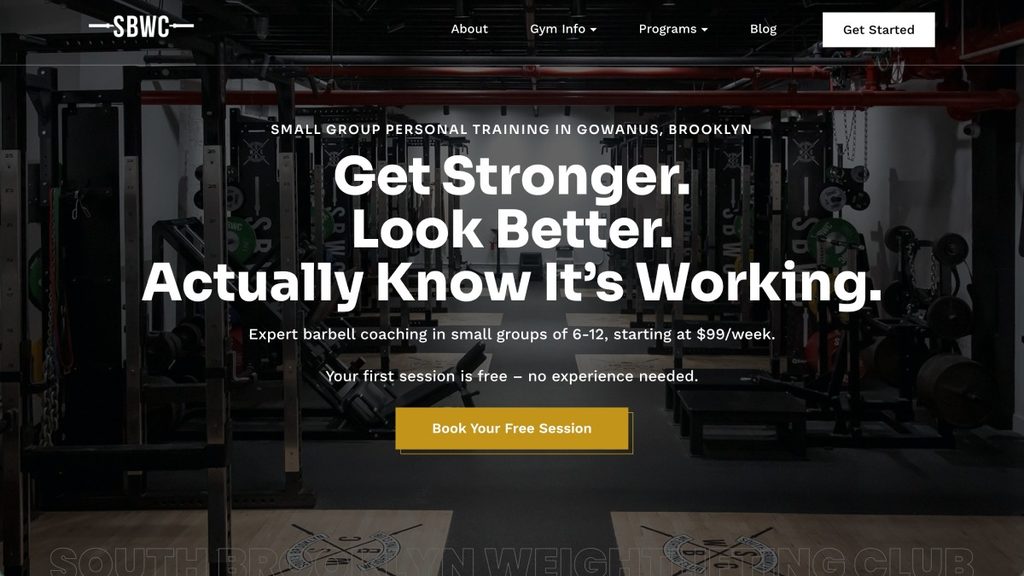
Location: 267 Douglass Street, Ground Floor, Gowanus, Brooklyn
Best for: People who want structured strength training with regular coaching but don’t need exclusive one-on-one appointments.
South Brooklyn Weightlifting Club offers coach-led barbell training in small groups.
Its official program information describes progressive strength programming, quarterly testing, and groups generally containing six to twelve participants.
The facility lists competition-grade barbells, racks, dumbbells, specialty equipment, and conditioning tools.
- Pricing: Two coached sessions weekly cost $396 every four weeks. Unlimited small-group training costs $496 every four weeks. The club also advertises a $99 assessment, credited toward membership if the client joins.
- The drawback: This isn’t a conventional open-access gym. The club states that training takes place in scheduled coached sessions, not independent workouts whenever you feel like visiting. It also requires attention to cancellation notice terms. The Pricing page specifies written notice at least 28 days before the next billing date.
- Verdict: A particularly useful option for people who want barbell coaching, programming, and a structured schedule. Less appropriate if you prefer unrestricted access for independent training.
5. Chelsea Piers Fitness: Best for Sports Facilities and Training Variety
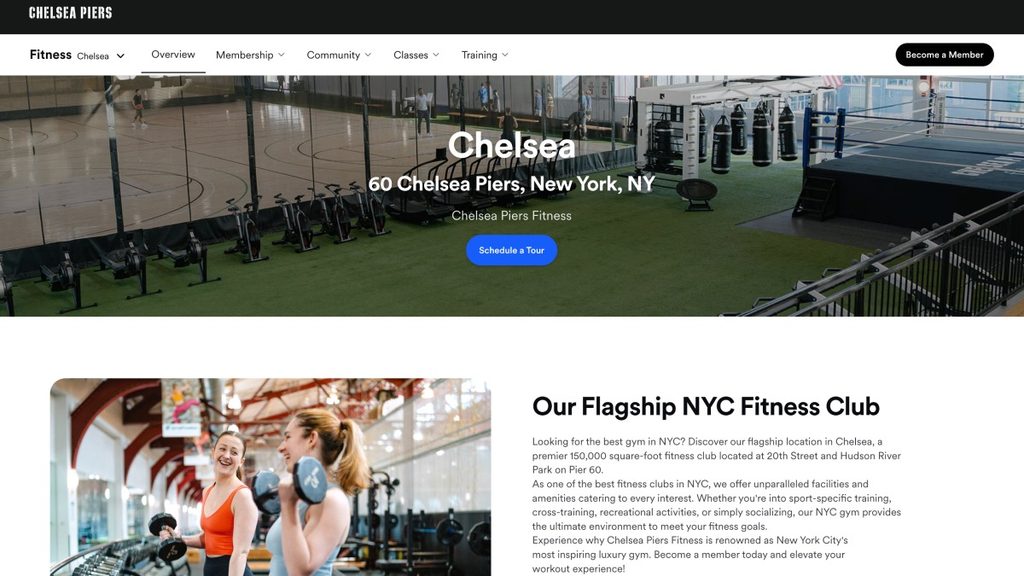
Location: Pier 60, Chelsea Piers, Manhattan
Best for: People who combine strength training with swimming, running, climbing, basketball, or other sports.
Chelsea Piers Fitness offers something most conventional gyms cannot match: a broad range of dedicated sports facilities within one complex.
The Chelsea location advertises a 75-foot, six-lane saltwater pool, an indoor quarter-mile track, an extensive climbing area, basketball courts, a boxing ring, turf training space, free weights, and strength equipment.
It also includes a substantial schedule of group fitness classes.
- Pricing: The official membership page directs prospective members to request current options. A universal monthly rate is not disclosed there.
- The drawback: The extensive facilities are useful only if they match your interests. Someone who simply wants to lift weights three times weekly may not get meaningful value from the additional sports and recovery amenities. You should also confirm access to specific facilities, sports, and programs under the membership offered.
- Verdict: One of the most versatile options for recreational athletes and people who genuinely use multiple fitness facilities.
6. Equinox East 63rd Street: Best Luxury Gym on the Upper East Side
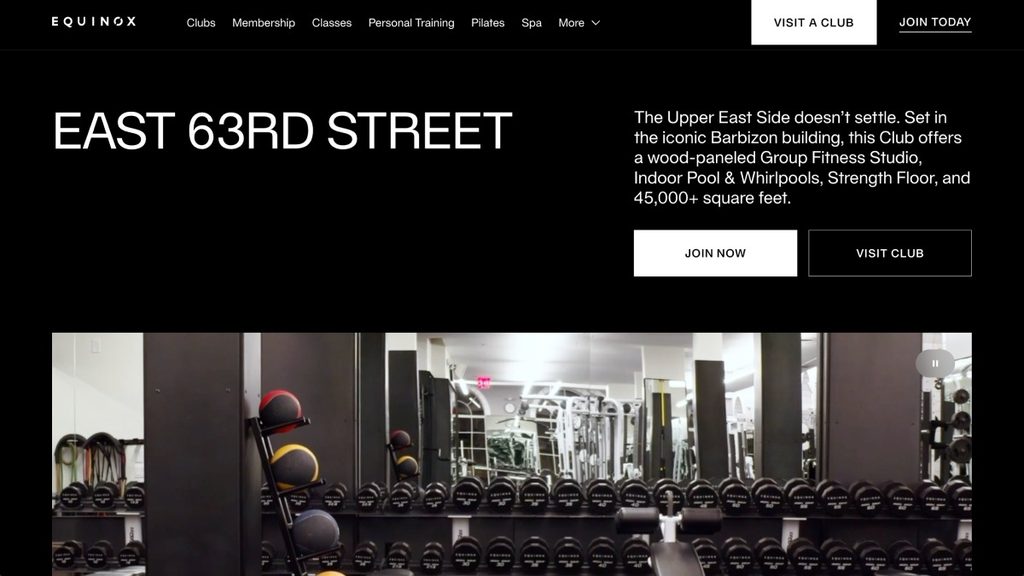
Location: 817 Lexington Avenue, Manhattan
Best for: People who want premium facilities, organized classes, pool access, and convenient recovery amenities.
Equinox East 63rd Street occupies a large, multi-floor facility with strength and cardio equipment, group exercise studios, Pilates, boxing, and swimming facilities.
Its official listing also describes spa services, lap and plunge pools, and sauna and steam facilities.
This makes it a strong candidate for someone who values the full club experience rather than just a workout floor.
- Pricing: Equinox offers different membership access tiers. An affiliated membership listing advertises a Destination tier at $370 monthly, but that should not be treated as the universal or lowest rate for this particular club. Request the current applicable membership quote.
- The drawback: The price can include substantial value from amenities that have little direct relevance to strength or fat-loss goals. Personal training and certain services can also involve additional charges.
- Verdict: A credible premium option if you use its classes, pool, location, and facilities regularly. Less compelling when all you need is a rack, dumbbells, and a sensible program.
7. Life Time Sky: Best for an All-in-One Athletic Club Experience

Location: 605 West 42nd Street, Manhattan
Best for: Members who want strength training, swimming, basketball, classes, and recovery facilities at one location.
Life Time Sky combines a large workout floor with amenities uncommon in smaller NYC gyms.
The club advertises an NBA-regulation basketball court, indoor pool, rooftop outdoor pool, saunas, cold plunge, and dedicated indoor pickleball courts.
It also offers group training programs and other fitness services.
- Pricing: Membership starts at $348 monthly, according to the club’s official membership page.
- The drawback: Not every feature is necessarily included at the entry membership level. Life Time states that access to certain pools, courts, programs, and amenities may require additional fees or specific membership tiers. For example, the rooftop pool is seasonal and may require different access arrangements.
- Verdict: A strong choice for people who use the wider club regularly. Less economical if your training consists almost entirely of basic strength exercises.
8. Asphalt Green: Best for Swimming and Community Fitness
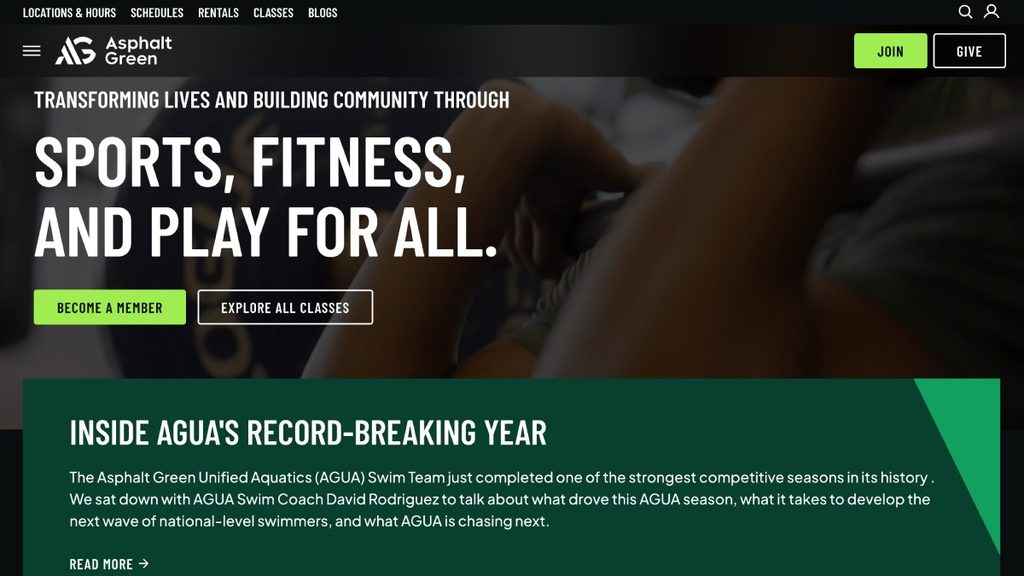
Location: 555 East 90th Street, Upper East Side, Manhattan
Best for: Swimmers, families, and people who want fitness facilities alongside organized sports and community programs.
Asphalt Green is a nonprofit sports and fitness organization with multiple NYC locations.
Its Upper East Side campus includes a fitness center and a 50-meter Olympic-sized swimming pool, along with group classes and additional sports programming.
The membership options are particularly important here because not every tier provides the same access.
- Pricing: According to Asphalt Green’s membership page, the Upper East Side gym-only plan costs $120 monthly with an annual commitment or $130 month-to-month. The Gold plan costs $165 monthly on an annual arrangement or $180 month-to-month and includes pool access.
- The drawback: The cheaper gym-only tier excludes swimming. Anyone joining primarily for the pool must select a qualifying membership. Additional aquatics programs and specialty services may have separate charges.
- Verdict: A particularly worthwhile option if swimming or organized recreation is part of your routine. If you only need weight training, compare the gym-only price with nearby alternatives.
9. Orangetheory Fitness: Best for Structured Group Cardio Workouts
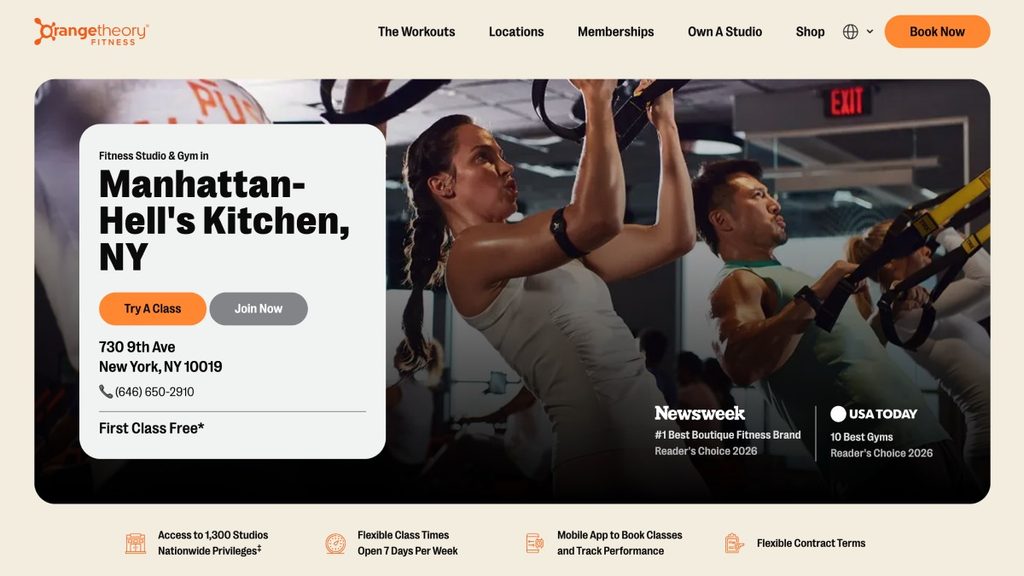
Location: 730 Ninth Avenue, Hell’s Kitchen, Manhattan
Best for: People who enjoy scheduled, coach-led workouts combining cardiovascular exercise and resistance-based movements.
Orangetheory Fitness operates around heart-rate-guided group workouts.
Sessions can combine treadmill intervals, rowing, and strength-floor exercises.
For someone who struggles to plan independent workouts, the fixed class schedule and instructor-led format may provide useful structure.
The brand also offers performance tracking through its connected heart-rate technology.
- Pricing: The Hell’s Kitchen page lists standard monthly rates of $199 for eight classes and $279 for unlimited classes. Promotional offers and additional charges may vary.
- The drawback: This is primarily a structured group-workout experience, not an unrestricted weight room for individualized strength programs. If your main objective is maximizing squat, bench press, or deadlift performance, you may want more specialized equipment and progression.
- Verdict: A useful option for cardiovascular fitness, conditioning, and people who prefer a coached class environment.
10. Powerhouse Gym Long Island City: Best Queens Option for Independent Strength Training
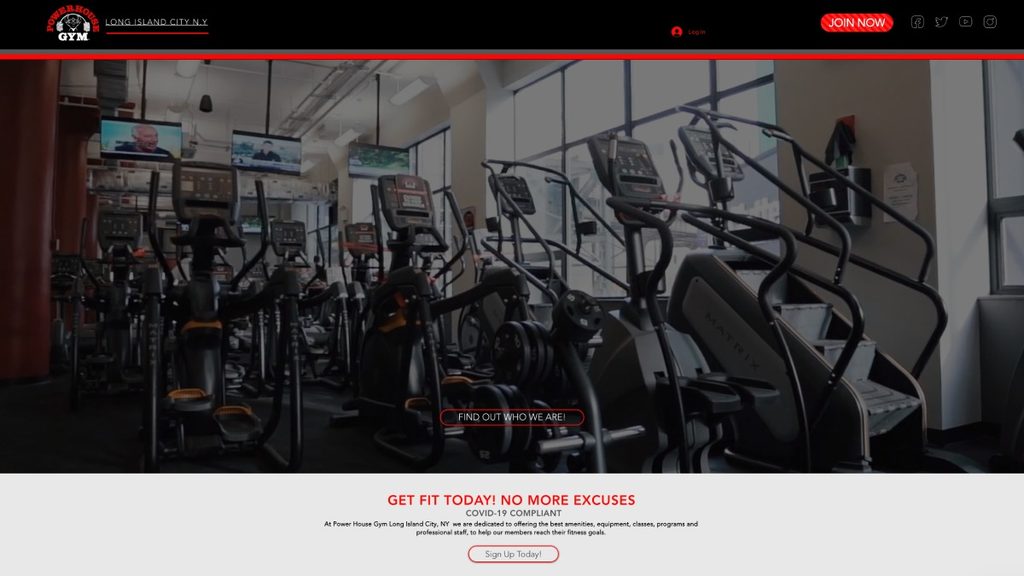
Location: 30-30 Northern Boulevard, Long Island City, Queens
Best for: People in Queens who prioritize free weights, strength machines, and independent training.
Powerhouse Gym Long Island City advertises free weights, strength training, cardio equipment, personal training, and related fitness services.
Its official location listing confirms the Northern Boulevard address.
For someone living or working in Long Island City, it provides an alternative to traveling into Manhattan for an equipment-focused workout.
- Pricing: The official Powerhouse Gym location page directs prospective members to contact the club about current offers rather than publishing a definitive membership rate.
- The drawback: Pricing transparency is limited online. You need a direct quote to establish the current monthly fee, enrollment costs, contract duration, and any personal-training charges. Equipment availability during peak hours also needs an in-person check.
- Verdict: Worth considering for Queens-based lifters who want a conventional training environment. Inspect the weight room and request written terms before joining.
Which NYC Gym Is Best for Your Training Goal?
Now that we’ve covered the actual gyms, the choice becomes easier.
| Your primary goal | Strong options from this list | Why |
| Affordable general fitness | Planet Fitness | Low-cost access and introductory training assistance |
| Independent strength training | Crunch Chelsea; Powerhouse LIC | Free weights and resistance equipment |
| Personalized muscle-building or fat-loss coaching | Wiedenbach Performance | Individualized programming and one-on-one instruction |
| Coached barbell strength | South Brooklyn Weightlifting Club | Structured small-group training and progression |
| Swimming and multiple sports | Chelsea Piers Fitness; Asphalt Green | Dedicated sports facilities and pools |
| Luxury amenities and classes | Equinox East 63rd Street; Life Time Sky | Broad facilities and premium club services |
| Cardio-focused group training | Orangetheory Fitness | Scheduled instructor-led workouts |
None of these choices guarantees a particular result.
The best fit is the one with the equipment, instruction, and schedule that allow you to train consistently.
How Much Does a Gym Membership Cost in NYC?
Published NYC gym memberships range from roughly $20 monthly for some budget offers to more than $300 for premium clubs.
Personalized coaching generally costs more than independent gym access. The correct comparison includes enrollment charges, annual fees, contract terms, and any additional services.
Look beyond the headline monthly rate.
For example, a $19 membership with a $59 startup fee and $59 annual fee would cost $346 over twelve months before taxes, assuming all listed fees apply.
That’s approximately $28.83 per month during the first year.
Another club might advertise $119 monthly but add an annual fee and separate charges for personal training.
For coached programs, also distinguish billing every four weeks from billing by calendar month.
Someone paying $396 every four weeks has thirteen billing periods in a 52-week year, not twelve.
The simplest rule: Ask what the full first-year cost would be for the services you intend to use.
How Much Does a Personal Trainer in NYC Cost?
Published 60-minute one-on-one personal training rates at selected NYC studios range from approximately $90 to $185, with premium and specialized services sometimes costing more.
Rates may depend on session frequency, package size, membership status, and trainer experience.
At $150 per session, twice-weekly coaching costs $1,200 over four weeks.
That is substantially different from paying for ordinary equipment access.
For the complete breakdown, compare session duration, qualifications, programming, and between-session support, not just the hourly price.
What Should You Look for in an NYC Gym for Strength and Muscle Growth?
Look for a gym with well-designed strength equipment, machines that fit your body, and training programs built around your goals. A long list of machines means very little if half of them feel uncomfortable, limit your movement, or don’t suit the exercises you need.
Before joining an NYC gym, look at:
- Free weights and proper lifting stations. Dumbbells, barbells, adjustable benches, and squat racks give you options for presses, squats, rows, and other strength exercises. The gym should have enough weight for you to progress, not just enough for beginners.
- Machines that fit your body. A chest press shouldn’t force your shoulders into an uncomfortable position. A leg press should let you work through a useful range of motion. Adjustable seats, handles, and foot positions are worth checking before you sign up. Look for brands like Prime, Watson, Qli.. it features techno gym, run for the hills!
- Equipment for specific muscles. Look beyond the basic chest press and treadmill. Cable stations, leg curls, leg extensions, lateral raise machines, and different rowing and pulldown options make it easier to train muscles that aren’t getting enough work from your main lifts.
- Machines with sensible weight increases. Going from 50 to 100 pounds isn’t much of a progression system. Look for equipment that lets you increase resistance in smaller steps as you get stronger.
- Programs built around your body and experience. A beginner learning to squat needs something different from an experienced lifter trying to bring up lagging shoulders. A good trainer should assess your movement, strength, limitations, and goals before choosing exercises.
- Coaches who understand exercise mechanics. A trainer should know when to change your seat height, grip, range of motion, or even the exercise itself. Adding more weight won’t help much if you’re putting the stress on the wrong muscles.
But even the best machines won’t make up for poor coaching. Making real progress in the gym requires positioning, stability, and getting the right muscles to do the work before piling on more weight.
How Do You Know Whether Your Gym Is Helping You Progress?
- Qualified trainers who offer useful advice. When you need help with an exercise or your training program, staff should be able to give you clear, practical guidance.
- A way to measure progress. If you’re paying for personal training, your coach should track your lifts, review your results, and adjust your program when necessary.
- A gym you can train in consistently. Crowded floors, long waits for equipment, and inconvenient hours can make following a structured program unnecessarily difficult.
Be cautious of gyms that rely heavily on body composition scans to demonstrate results. These machines estimate body fat and muscle mass, and even changes in hydration can affect the readings.
A scan showing a little more muscle doesn’t necessarily mean you’ve built any.
Which NYC Gyms Are Best for Fat Loss and Body Recomposition?
The best NYC gym for fat loss or body recomposition is one you can get to consistently, with enough equipment to train properly. You don’t need a luxury gym or an expensive transformation program to lose fat and build muscle.
For fat loss, a gym with free weights, resistance machines, and cardio equipment is plenty. The bigger challenge is staying consistent with your workouts and eating fewer calories than you burn.
If your goal is body recomposition, meaning losing fat while building muscle, strength training becomes even more important. You need to challenge your muscles over time, eat enough protein, and give your body time to recover.
A personal trainer can help, especially if you’re new to lifting, unsure how to structure your workouts, or struggling to make progress.
But paying more doesn’t automatically mean getting better results.
How Do You Choose the Right Gym in Manhattan, Brooklyn, or Queens?
Start with your goal, then choose a location, equipment setup, and membership you can realistically use. Visit during your intended workout hours and compare the complete contract before paying.
I’d use this checklist:
- Define your main goal. Strength, fat loss, swimming, group exercise, and general fitness require different facilities.
- Identify your equipment needs. Make sure the gym supports your actual program.
- Consider the commute. A convenient gym often makes consistent attendance easier.
- Visit during peak hours. A quiet midday tour may not reflect your evening experience.
- Try the equipment or a class. Check what the membership actually provides.
- Ask about coaching. Find out whether instruction is included or costs extra.
- Review the contract. Calculate the full commitment, not merely the monthly advertisement.
The last step is particularly important in New York.
The New York Attorney General’s health-club consumer guidance explains cancellation protections under the state’s Health Club Services Act.
New York City’s Click to Cancel rule, effective October 1, 2026, also requires straightforward cancellation processes for covered subscriptions.
The applicable rights depend on the agreement, so review the terms before signing.
When Is Paying for Personal Coaching Worth It?
Personal coaching is worth paying for when you need instruction, individualized programming, specialized feedback, or accountability that you cannot reliably provide yourself. It isn’t mandatory for every gym member.
A good trainer should be able to identify what’s holding you back and do something about it. That means more than counting repetitions or making sure you leave the gym exhausted.
Look for someone with experience in your specific goals. Ask how they structure training, measure improvement, and adjust the program when progress stalls.
And if you’re already getting stronger with a program you can follow independently? Keep doing what works. You don’t need to pay someone to supervise every set.
You can also read our client experiences to understand how people describe training at Wiedenbach Performance.
Maik’s Verdict: The Best Gym Is the One That Helps You Train Well
There isn’t one gym in New York that’s best for every person.
Crunch Chelsea gives you broad equipment and classes. Planet Fitness provides a more affordable starting point. Chelsea Piers and Life Time offer facilities that people with varied sporting interests may genuinely use.
For coached strength training, South Brooklyn Weightlifting Club offers structured small-group programs.
And if you want individual coaching, a private studio may make more sense than paying for amenities you don’t need.
Choose the gym that fits your goal, schedule, and budget. Then judge it by the progress you can actually make there.
If you’d like to explore individualized training at Wiedenbach Performance, book our complimentary 60-minute personalized fitness session or contact our Manhattan studio to discuss your goals and current coaching options.
Frequently Asked Questions About the Best Gyms in NYC
What Is the Best Overall Gym in NYC?
The best overall gyms in NYC are Crunch Chelsea for strength equipment and group classes, Planet Fitness Herald Square for affordable gym access, and Wiedenbach Performance for individualized coaching.
What Is the Best Affordable Gym in NYC?
Planet Fitness Herald Square is one of the best affordable gyms in NYC. Its published membership options include a $24 monthly no-commitment plan, plus applicable startup and annual fees. Lower promotional rates may require longer commitments. The gym offers cardio equipment, strength machines, and included introductory fitness instruction through PE@PF.
What Is the Best NYC Gym for Building Muscle?
Crunch Chelsea is a strong NYC gym for building muscle independently, with Olympic lifting platforms, free weights, and resistance machines. Powerhouse Gym Long Island City is another equipment-focused option. For coached strength training, South Brooklyn Weightlifting Club offers structured barbell sessions, while Wiedenbach Performance stands out for its imported, custom-built strength machines, paired with coaching led by two-time Musclemania champion Maik Wiedenbach.
Are Luxury Gyms in NYC Worth the Money?
Luxury gyms in NYC are worth the money when you regularly use their additional facilities. Equinox East 63rd Street offers swimming pools, group classes, and recovery amenities. Life Time Sky adds basketball courts, swimming, and pickleball, with memberships starting around $348 monthly. Neither is necessary solely for building strength or losing fat.
Can You Use an HSA or FSA for a Gym Membership?
An HSA or FSA generally cannot cover gym memberships purchased for general fitness. Under IRS rules, a membership may qualify when purchased solely for an eligible medical purpose, such as treating a diagnosed condition or qualifying prescribed therapy. A doctor’s note alone doesn’t guarantee eligibility. Confirm the requirements with your plan administrator.
How Often Should You Go to the Gym to See Results?
Going to the gym two or three times weekly for resistance training is a practical starting point for many adults. The CDC recommends strengthening all major muscle groups at least twice weekly, alongside 150 minutes of moderate aerobic activity. Track your strength, repetitions, and consistency rather than expecting visible changes by a fixed deadline.

Maik Wiedenbach is a Hall of Fame swimmer turned bodybuilding champion and fitness model featured in Muscle & Fitness and Men’s Journal. An NYU adjunct professor and award-winning coach, he founded New York’s most sought-after personal training gym.