
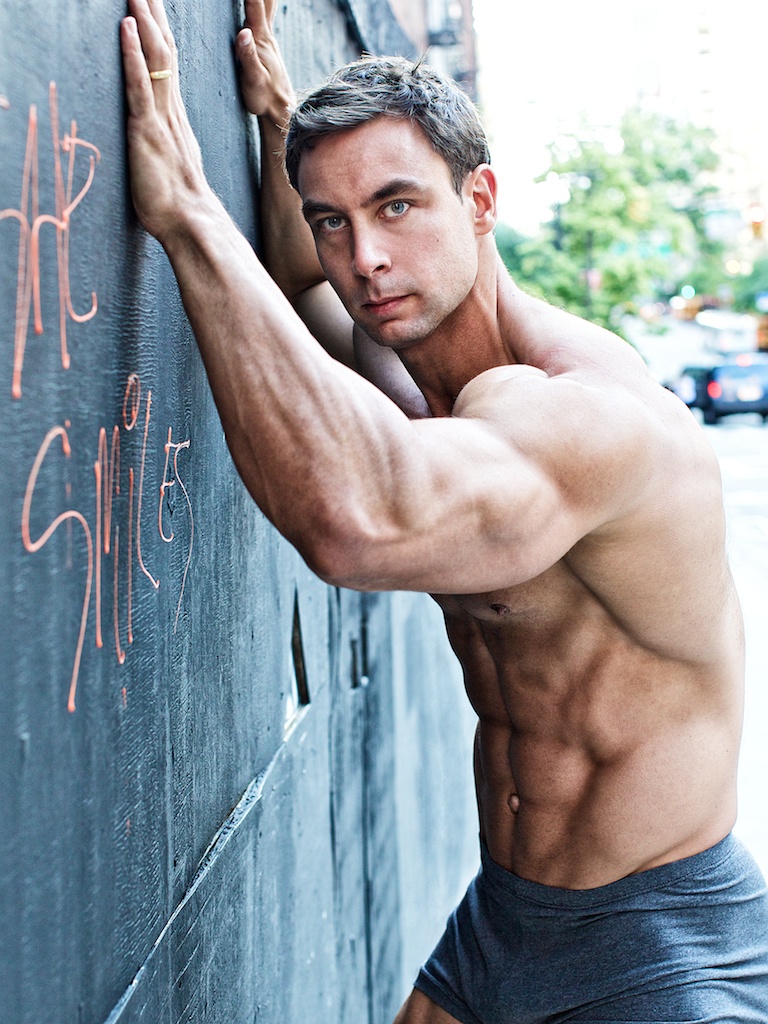
It’s easy to trust sweat because the feedback is immediate. You finish the workout soaked, your heart rate is still up, you look ripped and the scale may be two pounds lighter before you even leave the gym.
The problem is that sweat answers the wrong question.
Sweating is thermoregulation, not fat loss. When body temperature rises, fluid reaches the skin and evaporation removes heat, which is why MedlinePlus describes sweating as a temperature-regulation mechanism. Heat, humidity, clothing, genetics, and acclimatization can all change how much you sweat without telling you how much body fat you lost.
A hard workout can make you sweat and use a lot of energy, but those are separate responses. A hot room can make mediocre work feel brutal, whereas a cool room can let you train hard with far less perspiration.
For fat loss, nutrition establishes the deficit, resistance training protects muscle, and walking or cardio can add useful activity. Sweat tells me how hard your body had to cool itself, not how successful the fat-loss plan was.
If you want a fat-loss plan built around measurable progress instead of workout theater, start here.
What Sweating Actually Does (and Why It Is Not Fat Loss)
Sweating helps control body temperature. Sweat glands release fluid onto the skin, and evaporation removes heat.
That fluid is mostly water with electrolytes such as sodium, so losing enough of it can make body weight fall immediately. Athletes who deliberately dehydrate can therefore move the scale very quickly without meaningfully changing body fat.
Sweat changes hydration; fat loss changes stored energy.
| What You Notice | What Is Actually Happening | What It Means for Fat Loss |
| Shirt is soaked | Your body is producing more sweat to cool itself | Nothing by itself |
| Scale drops after training | You lost fluid through sweat and breathing | Mostly temporary water loss |
| Hot class feels harder | Heat increases thermal strain and often heart rate | Feeling harder doesn’t prove more fat loss |
| Little sweat in a cool gym | Your cooling demand is lower | You can still train productively and expend energy |
I don’t judge a workout by the towel. I judge the training output, the quality of the repetitions, and whether the program is moving the client toward the actual goal.
Water Weight vs Fat Loss: Weight-Loss Myths Explained
Water weight can move several pounds in a day, whereas fat mass can’t.
Sweat, sodium intake, carbohydrate intake, menstrual-cycle changes, bowel contents, and hydration can all move the scale quickly. Fat loss shows up much more slowly because it requires an energy deficit sustained over time.
The CDC’s current weight-loss guidance emphasizes gradual, steady change supported by nutrition, physical activity, sleep, and stress management. That’s far less dramatic than seeing two pounds disappear after one workout, which is why the post-workout scale can be so convincing even when most of the change is water.
A better approach is to weigh under similar conditions and use weekly averages. If the weekly trend is slowly moving down while waist measurements are improving, that’s useful information. The number immediately after a hot workout is mostly a hydration reading.
Does Sweating More During Workouts Burn Extra Fat?
No, because sweating more doesn’t automatically mean you burned more calories or more fat.
Sweat rate changes with genetics, body size, acclimatization, temperature, humidity, clothing, hydration, and exercise intensity. You can do the same workout as the person on the next treadmill and finish twice as wet without having burned twice as much fat.
The work still matters because a harder session generally requires more energy than an easy one. However, sweat isn’t the measuring device.
Visible suffering is easy to market because turning up the heat, shortening the rests, and leaving everyone drenched makes a session feel productive. The problem is that a harder-feeling workout doesn’t automatically produce a better body-composition result.
For fat loss, I’d rather have you strength train well three times a week, keep daily movement high, and control food intake than bury yourself in six sweaty classes and spend the rest of the week exhausted and hungry.
Why You Sweat a Lot but Do Not Lose Fat
If you sweat heavily but body fat isn’t changing, the likely issue isn’t your sweat rate. Instead, your average energy intake and expenditure aren’t creating the deficit you think you’re creating.
That can happen even when the workouts are difficult. A 45-minute session doesn’t give you immunity from the calories you eat during the other 23 hours of the day. Or as a wise bodybuilder once said: You can’’t outtrain a shitty diet.
My public fat-loss advice follows the same hierarchy: training is valuable, but it’s a poor tool for trying to out-burn an inconsistent diet. Resistance training during a cut primarily preserves muscle and performance, food controls most of the deficit, and daily walking adds low-fatigue activity that’s easy to repeat.
Do Sauna Sessions Help With Real Fat Loss?
A sauna can make the scale drop quickly, but the immediate loss is mostly fluid because heat exposure increases sweat loss rather than directly stripping off meaningful body fat.
Research on sauna exposure shows measurable body-mass loss from dehydration during heat sessions. The scale falls because fluid leaves the body, and much of that weight returns after rehydration.
So I would never use the sauna as a fat-loss strategy.
Use it because you enjoy it, because it helps you relax, or because it’s part of your normal recovery routine. Just don’t confuse the temporary scale change with a reduction in body fat.
And if you’re training hard in the heat or using a sauna, rehydration matters. Dehydration can reduce performance long before it does anything useful for your physique.
What Actually Burns Fat: Intensity, Calories, and Muscle
Fat loss requires an energy deficit over time. That’s the central mechanism.
NIDDK puts the same point plainly: reducing calorie intake is central to weight loss, whereas physical activity helps use more energy and supports weight maintenance. You can read their weight-management guidance here.
From a coaching standpoint, I separate the jobs:
| Lever | Primary Job | How I Use It |
| Nutrition | Creates most of the calorie deficit | Track enough to know what you’re actually eating |
| Resistance training | Preserves or builds muscle and strength | Keep muscular tension and useful intensity in the program |
| Walking / daily activity | Adds repeatable energy expenditure with low recovery cost albeit at a very low rate, think 300 cal/ day. | Use it consistently instead of trying to destroy yourself with cardio |
| Cardio | Supports fitness and can add expenditure | Add the amount you can recover from |
That model is more useful than asking which activity makes you sweat the most.
Muscle does use energy, but I wouldn’t sell strength training as a giant resting-metabolism hack. Instead, its real value is that it helps you keep the tissue that creates the lean look you actually want. Losing 20 pounds while giving away a large amount of muscle is a very different result from losing fat while keeping your strength.
If you want that balance programmed around your schedule, meet our trainers.
A Cardio and Training Plan to Maximize Body Fat Loss
For most busy adults, the best fat-loss plan isn’t the one that burns the most calories in a single session. Extra work only helps when you can recover from it, so the better plan is the one you can repeat while maintaining a consistent deficit.
A simple week could look like this:
- Keep nutrition in control: If the diet isn’t creating the deficit, adding another sweaty workout is usually the wrong first move because exercise can’t reliably compensate for inconsistent intake. Nutrition is the key, you must track your macros or you will not make it to the promised land.
- Strength train three times: Full-body sessions work well because you can train each muscle frequently without turning the gym into a six-day obligation.
- Walk every day: Build toward a repeatable step target that fits your schedule, since low-fatigue movement is easier to sustain than constantly adding harder sessions.
- Add cardio only as needed: Two or three short, moderate sessions can help if you enjoy them or need more activity, but they should support the plan rather than compromise recovery. inconsistent intake.
| Activity | Fat-Loss Role | Recovery Cost | My Verdict |
| Strength training | Preserves muscle and shape during a deficit | Moderate | Foundation |
| Daily walking | Adds consistent low-fatigue activity | Low | Extremely useful |
| Moderate cardio | Adds activity and improves conditioning | Low to moderate | Useful support |
| Repeated hard HIIT | Can add conditioning and expenditure | High | Use sparingly, not as punishment |
| Sauna | Temporary fluid loss | Heat and dehydration stress | Recovery preference, not fat-loss tool |
I don’t automatically prescribe HIIT to everyone cutting fat because a session that burns a little more ( think 30 calories more than a steady state session) but ruins the next two strength workouts can cost more than it adds.
Effective Fat-Burning Exercises for People Who Barely Sweat
You can make excellent body-composition progress without sweating much at all because perspiration isn’t the mechanism driving the change. The best examples are boring, which is usually a good sign:
- Well-executed resistance training in a cool gym: The room temperature doesn’t determine whether the muscle got a productive stimulus.
- Incline walking: Easy to recover from and easy to repeat.
- Steady cycling: Useful conditioning without turning every session into a fight.
- Machine-based strength work: Often very effective because stability demands are lower and you can keep tension on the intended muscle.
- Short conditioning sessions: Useful when they fit the program, not because they leave you drenched.
The exercise that helps you lose fat is the one that fits inside a sustainable energy-deficit plan and doesn’t destroy the training that protects your muscle. There are not fat burning exercises, just tension.
How Hydration Influences Sweating and Fat Burning
Hydration affects performance and thermoregulation, whereas it doesn’t directly create fat loss.
If you’re dehydrated, your training quality can fall. You may feel lightheaded, weak, or unusually fatigued. That makes it harder to train the way you need to train, which is why intentionally staying dehydrated to keep the scale lower is a terrible strategy.
Keep it practical:
- Drink regularly throughout the day.
- Replace fluid after heavy sweating.
- Consider electrolytes when sessions are long, very hot, or produce substantial sweat losses.
Stay hydrated enough to preserve training quality and recovery.
How to Track Fat Loss Without Relying on Sweat Levels
I like multiple measurements because every single metric can mislead you on a bad day, while several consistent trends are much harder to misread.
Use:
- Weekly average body weight: Weigh under similar conditions and average the readings, because the trend matters more than any single day.
- Waist measurement every two weeks: This can reveal fat loss that scale fluctuations hide, especially when resistance training is going well.
- Progress photos every few weeks: Keep the lighting, distance, and pose consistent so you can compare shape rather than camera conditions.
- Training performance: If body weight is drifting down while your important lifts are holding steady, you’re getting much more useful information than a same-day sweat-induced scale drop.
- Clothing fit: A looser waist alongside stable performance tells you more about body-composition progress than a drenched shirt ever will.
If several of those measures are improving together, trust the trend.
Expert Viewpoint: Stop Trusting the Towel
A wet shirt isn’t a body-composition measurement, yet it’s easy to build an entire workout around the feeling that more sweat must mean more fat loss. I would rather judge each part of the plan by the job it actually performs.
Nutrition creates most of the deficit, while strength training protects muscle and walking or cardio can add useful activity without becoming the center of the plan. Sleep and recovery then determine whether you can repeat that work consistently; sweat simply helps cool you down while you do it.
Once you understand what really matters, fat loss gets much easier to troubleshoot because each variable has a clear role. If the waist isn’t changing, we look at calorie intake, daily movement, training quality, and adherence rather than turning the thermostat up and hoping for the best.
So keep the towel. Just stop using it as feedback.
If your current plan is all effort and no measurable movement, contact our team and we can figure out which variable actually needs to change.
Frequently Asked Questions
Does Sweating Mean You Are Burning Fat?
No. Sweating is primarily a cooling response because your body is trying to get rid of excess heat, whereas fat loss depends on energy balance over time. A hard workout can make you sweat and burn calories at the same time, but the sweat itself isn’t evidence that body fat is disappearing, so don’t use a soaked shirt as a progress metric.
Is the Weight You Lose After Sweating Fat or Water?
Most of the immediate weight you lose after heavy sweating is water, not body fat. Because dehydration can reduce scale weight quickly, that number often rebounds once you drink, eat, and restore normal fluid balance. Actual fat loss is much slower and shows up in multi-week trends, whereas water weight can move several pounds in a matter of hours.
Why Do I Sweat a Lot but Not Lose Weight?
You can sweat heavily without losing weight because sweat rate is influenced by heat, humidity, genetics, body size, hydration, and fitness, while fat loss still requires a sustained calorie deficit. If your calorie intake matches what you expend, the scale won’t trend down simply because your workouts leave a puddle on the floor.
Does a Sauna Burn Fat?
A sauna can raise your heart rate and make you sweat heavily, but the rapid drop on the scale is mainly fluid loss that returns when you rehydrate. You may still enjoy a sauna for relaxation or heat tolerance; however, it shouldn’t replace the calorie deficit, resistance training, and daily activity that actually change body composition.
Does Sweating Burn Belly Fat?
No. Sweating can’t selectively reduce abdominal fat because local sweat production and local fat loss are separate processes. Belly fat comes down as overall body fat comes down, so the practical strategy is still a sustainable calorie deficit paired with resistance training and enough daily movement to maintain it.
Can You Lose Fat Without Sweating?
Yes. You can lose body fat with very little sweating because perspiration isn’t the mechanism that creates fat loss. A cool-room strength session or a long walk may produce less sweat than a hot class, yet both can support a calorie deficit, which means the amount of moisture on your shirt tells you very little about the result.
Is Sweating a Sign of a Good Workout?
Not reliably. A hot room can make an average workout feel brutal because your body has to cool itself more aggressively, whereas a technically strong session in air conditioning may produce far less sweat. Judge the workout by execution, muscular tension, useful progression, and whether you recover well enough to perform again, not by how drenched you are afterward.
How Do I Know if I Am Actually Burning Fat?
Don’t try to judge fat loss minute by minute during a workout because the useful signal appears over time, not in one session. Watch your multi-week body-weight trend alongside waist measurements, progress photos, clothing fit, and training performance. When those markers move in the right direction while your nutrition is consistent, you have a much stronger case that you’re losing fat rather than just water.
Maik Wiedenbach is a New York City-based personal trainer, fitness author, and founder of Maik Wiedenbach Fitness. He helps clients lose fat without turning every workout into a punishment session, using structured strength training, sustainable nutrition, and measurable progress.

Maik Wiedenbach is a Hall of Fame swimmer turned bodybuilding champion and fitness model featured in Muscle & Fitness and Men’s Journal. An NYU adjunct professor and award-winning coach, he founded New York’s most sought-after personal training gym.